

Table of Contents
- Understanding the Mississippi River as a Fishing Destination
- Reading Water: Current, Eddies, and River Structure
- Locating Fish: Pools, Channels, and Structure
- Best Lures for River Bass and Catfish Tactics
- Bank Fishing the Mississippi River: Tactics and Setup
- Essential Gear and Rigging for River Success
- Regulations, Safety, and Seasonal Adjustments
- Frequently Asked Questions
Last Updated: October 14, 2026
Understanding the Mississippi River as a Fishing Destination
Learning how to fish Mississippi River successfully means understanding one of the most productive fishing destinations in North America, offering diverse habitats and species that reward both beginners and experienced anglers.
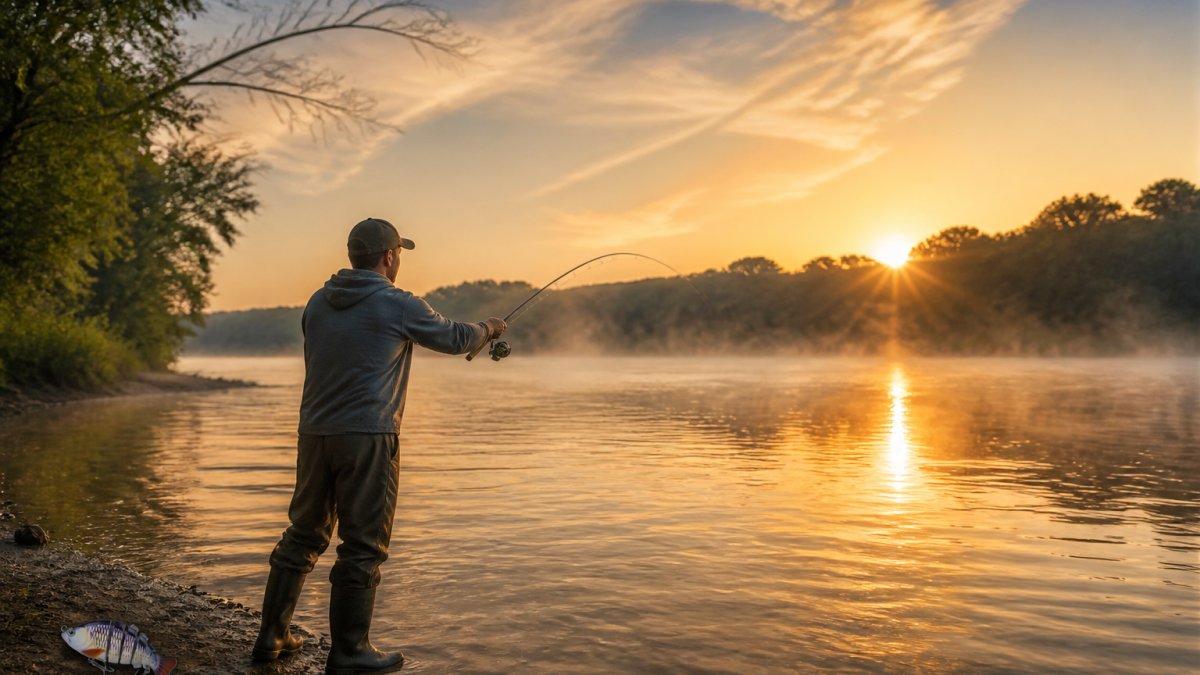
The river's ecosystem supports catfish, bass, walleye, and panfish across its entire length. What separates successful anglers from those who struggle is their ability to read the water and position themselves where fish actually hold.

At 573 Lures, our hand-picked selection focuses on what actually triggers strikes in moving water, which is fundamentally different from still-water fishing.
Reading Water: Current, Eddies, and River Structure
Current is the heartbeat of river fishing. Understanding how water moves tells you where fish will be. Fish don't fight current unnecessarily, they position themselves where they can conserve energy while staying in feeding lanes. Your job is to identify those zones and place your bait or lure there.
How to Fish Fast-Moving River Current
Fast current pushes fish to specific holding areas. The strongest current typically flows in the center of the river, while slower water exists along the banks and behind structure.
When you fish fast-moving current, cast upstream and let your lure drift naturally with the flow. This approach mimics how baitfish move in the river. Grubs and live bait work well here because they move naturally with the current.
Current speed changes throughout the day and season. In spring when water levels rise, current moves faster and fish hold tighter to structure. By late summer, when water levels drop, current slows and fish spread out more. Adjust your casting distance and lure choice based on what you observe.
Finding Fish in Eddies and Current Seams
An eddy is a pocket of slower or reverse-flowing water created by structure, usually behind a point, dike, or large rock. Eddies are fish magnets because they offer a rest area with food delivery.
Current seams are the invisible lines where fast water meets slow water. Fish line up along these seams like they're waiting in a cafeteria line. They face into the current and intercept food drifting past.
To fish eddies effectively, cast into the slower water and work your lure slowly. Catfish especially respond to live bait positioned in eddies. Bass prefer lures that mimic wounded baitfish. The current seam itself is where you'll find the most aggressive strikes, fish here are actively feeding.
Locating Fish: Pools, Channels, and Structure
River pools are sections where the river widens and slows. These areas often hold large concentrations of fish because the slower water requires less energy expenditure. The transition zone between pools, where water speeds up again, is also productive because it concentrates food.
Deep Holes and Channel Breaks
Deep holes are where fish retreat during high water or extreme temperatures. These holes often form where the river bends sharply or where two channels merge. Catfish especially use deep holes as daytime refuges, moving shallow to feed at night.
Finding deep holes requires attention to the bottom contour. As you move along the river, watch for sudden depth changes. A hole might drop from 8 feet to 15 feet in just a few feet of distance.
Channel breaks occur where the river's main flow shifts direction. These are high-percentage spots because fish use them as transition zones between feeding and resting areas. The break itself, the edge where depth or current changes, is where you should focus your casts.
Dams, Dikes, and Points
Dams create ideal fishing conditions because they concentrate fish in predictable locations. The spillway area below a dam has fast current and oxygenated water that attracts bass and walleye. However, dam fishing requires caution, currents can be dangerous and regulations vary by location.
Dikes and wing dams are structures built to direct current and control water flow. Fish use these structures as current breaks, positioning themselves on both the upstream and downstream sides. The seam along a dike is often the most productive casting line.
Points where the river bends create natural gathering spots. The inside bend has slower water and silt, while the outside bend has faster current and deeper water. Fish use the transition between these areas to move between feeding and resting zones.
Best Lures for River Bass and Catfish Tactics
River bass respond differently than lake bass. The current creates feeding opportunities that make bass more aggressive. They're not hunting by sight alone, they're using lateral line detection to feel vibrations from lures moving through the water.
Best Lures for River Bass
Spinnerbaits work exceptionally well in river current because the blade vibration is detectable even in murky water. A 1/4-ounce spinnerbait like the Johnson Beetle Spin is ideal for medium current.
Crankbaits that dive to 6-10 feet handle river current well because they maintain depth despite the water movement. Cast them upstream and let the current help them dive naturally.
Soft plastics like the CREME Wiggle Worm excel in river conditions because their natural swimming action mimics wounded baitfish. Rig them on a jig head so they stay in the strike zone longer.

Topwater lures work best during low-light conditions when bass move shallow. The commotion and vibration draw aggressive strikes from feeding fish. Use them early morning or late evening along current seams.
How to Catch Catfish in a River
Catfish are ambush predators that rely heavily on smell and lateral line detection. Live bait produces the most consistent results, shiners, shad, or bluegill work well depending on what's naturally in the river.
Channel catfish prefer large bait presentations. A 4-6 inch live shiner on a 2/0-3/0 hook gives catfish something substantial to grab.
The CREME Wiggle Worm rigged on a heavy sinker also catches catfish, especially in current. The worm's natural action and scent appeal to catfish's sensory system.
Catfish feed primarily at night. Plan your trips for evening through early morning when catfish move shallow to hunt. Patience is essential, catfish may take 15-30 minutes to find and investigate your bait.
Bank Fishing the Mississippi River: Tactics and Setup
Understanding how to fish Mississippi River from the bank requires a different mindset than lake bank fishing. You're not fishing static water, you're fishing dynamic current that constantly changes how your lure or bait behaves.
Position yourself where you can cast to structure without losing your lure to current. Eddies behind points are ideal bank fishing spots because they provide slower water to work.
Bank fishing works best when water levels are moderate. High water pushes fish tight to the bank but also creates dangerous current conditions. Low water exposes structure and allows longer casts to deeper zones.
Bring multiple rod setups if you're legal to do so. One rod with a lure for active fishing and another with live bait for catfish or walleye increases your chances.
Essential Gear and Rigging for River Success
Your rod and reel setup should match the current and structure you're fishing. Medium-power rods (6-7 feet) handle most river fishing situations.
Line choice matters in river fishing. Braided line cuts through current better than monofilament, giving you better feel and control. Use 15-20 pound braid for most applications.
Sinkers keep your bait or lure in the strike zone despite current. Bank sinkers work well because they roll along the bottom without getting stuck.
For catfish, rig a 3-way swivel with your main line, a leader to your hook, and a sinker on a separate dropper.
The Big Bite Baits FAT GRUB on a 1/16-1/8 ounce jig head is a versatile river rig that works for multiple species.

Regulations, Safety, and Seasonal Adjustments
Before fishing the Mississippi River, check current fishing regulations for your specific location. The U.S. Fish and Wildlife Service river fishing guide provides jurisdiction-specific information.
Water temperature drives fish behavior throughout the year. Spring brings rising water levels and aggressive feeding as fish recover from winter.
Spring fishing (March-May) focuses on shallower zones and structure. Use live bait and medium-sized lures.
Summer fishing (June-August) requires deeper presentations. Fish move to deep holes during the day, moving shallow only at night.
Fall fishing (September-November) mirrors spring conditions. Fish move shallow again and feed aggressively. All lure types work well during this period.
Winter fishing (December-February) is slow but possible. Focus on the deepest holes and use small presentations.
Safety on the river is non-negotiable. Never fish alone, especially near dams or fast current.
573 Lures has built our entire product selection around what actually works in river conditions. When you're ready to upgrade your tackle, our team has already done the work of finding what produces results. Enter Your Email! to stay updated on new lures matched specifically for river fishing success.
Frequently Asked Questions
How do you catch fish in a fast-moving river?
Focus on slower water pockets where fish rest and feed without fighting the current. Fish eddies, current seams, and the slack water behind rocks or structure. Use heavier sinkers or lures to stay on bottom, and cast upstream so your bait or lure drifts naturally into holding areas. Slower, more deliberate retrieves work better than fast ones in strong current.
What are the best lures for river bass in the Mississippi?
Spinnerbaits, crankbaits, and soft plastics work well in river conditions. The Johnson Beetle Spin triggers reaction strikes in moving water, while soft grubs like the Big Bite Baits Fat Grub excel near structure. Match lure size to water clarity and depth; darker colors work in stained water, brighter colors in clear conditions. Cast near current breaks and structure where bass ambush baitfish.
What is the best bait for river catfish?
Live baitfish like shad or bluegill are most effective, but chicken liver, stink baits, and cut baitfish also work. Larger baits attract bigger catfish and reduce unwanted smaller fish. Fish near deep holes, channel ledges, and structure where catfish hunt. Use sinkers heavy enough to keep bait on bottom despite current, and allow time for catfish to find and mouth the bait before setting the hook.
Can you fish the Mississippi River from the bank?
Yes, bank fishing the Mississippi River is productive and accessible. Focus on outside bends where deeper water and current create natural holding areas, and fish near structure like fallen trees, rocks, or bridge pilings. Early morning and evening produce the best results. Check local regulations for access points, and always be aware of changing water levels and swift current when wading or standing near the bank.
Where should you look for fish along the Mississippi River?
Fish concentrate in specific zones: current seams where fast and slow water meet, deep holes and channel breaks, eddies behind structure, and areas near dams, dikes, and points. Outside river bends hold deeper water and stronger current where larger fish feed. Use the Read Water guide to understand how fish use structure and seasonal movement patterns, then target these high-probability zones first.
What types of fish will you find in the Mississippi River?
The Mississippi River holds largemouth bass, smallmouth bass, catfish (flatheads and channels), walleye, crappie, and bluegill. Bass and catfish are the primary targets for most anglers. Species distribution varies by pool and season; check local fishing reports to learn what's active in your target area. Understanding seasonal movement patterns helps you focus on the right species at the right time.